Pediatric Complex Obstructive Sleep Apnea
Pediatric obstructive sleep apnea (OSA) is a childhood disorder of the upper airway. Sometimes when the airway doesn't function correctly, a partial or complete blockage can happen. This can cause your child to wake up repeatedly to get enough air. Your child may complain about restless sleep, or you may notice noisy breathing or snoring when they are trying to sleep. Children with this condition may be more tired or irritable and, in some cases, perform below their potential at school because of tiredness.
The Complex Obstructive Sleep Apnea team at Monroe Carell sees patients who have previously been diagnosed with OSA and whose condition has not improved with prior treatment. If you think your child may have OSA and has not been diagnosed, talk with your primary care provider first. They may refer you to a pediatric sleep specialist. Our complex OSA team is here to help if your child’s symptoms have not improved after surgical treatment.
Conditions We Treat
Sleep apnea occurs in about 3 to 6 percent of otherwise healthy children. It is more common in children with certain medical conditions or those who have a family member with sleep apnea.
Our team treats children with complex obstructive sleep apnea due to such conditions as:
- Hypotonia
- Skeletal dysplasia
Meet Your Care Team

Lana Jeradeh BoursoulianMD
- Child Neurology,
- Pediatric Neurology,
- Pediatric Pulmonary Medicine,
- Sleep,
- Sleep Medicine

Mohammad F. FaziliMD, MBBS
- Aerodigestive Diseases,
- Asthma,
- Chronic Mechanical Ventilation,
- Obstructive Sleep Apnea,
- Pediatric Pulmonary Medicine,
- Sleep,
- Sleep Medicine

Amy S. WhighamMD, MEd
- ENT Ear, Nose, Throat (Otolaryngology),
- Otolaryngology,
- Pediatric Ear, Nose, and Throat Conditions,
- Pediatric Otolaryngology,
- Sleep Related Surgery
Lyndy J. WilcoxMD, MMHC
- Breathing Disorders,
- ENT Ear, Nose, Throat (Otolaryngology),
- Otolaryngology,
- Otolaryngology Surgery,
- Pediatric Airway Reconstruction,
- Pediatric Ear, Nose, and Throat Conditions,
- Pediatric Otolaryngology
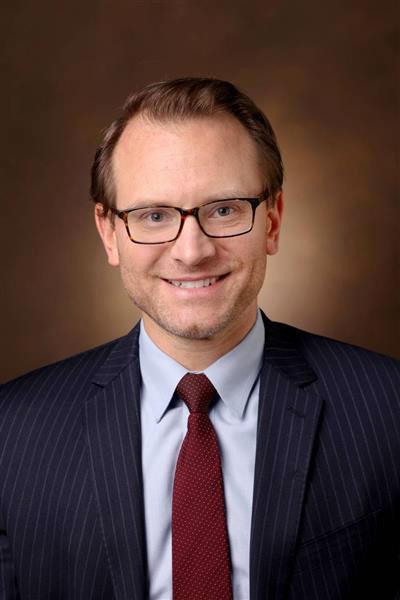
Christopher T. WoottenMD, MMHC, FACS, FAAP
- Airway Reconstruction,
- Breathing Disorders,
- ENT Ear, Nose, Throat (Otolaryngology),
- Hearing Loss,
- Otolaryngology,
- Pediatric Ear, Nose, and Throat Conditions,
- Pediatric Otolaryngology

Althea A. SheltonMD, MPH
- Epilepsy,
- Neurology,
- Neurosciences,
- Pediatric Neurology,
- Pediatric Sleep Disorders,
- Sleep Disorders,
- Sleep Medicine
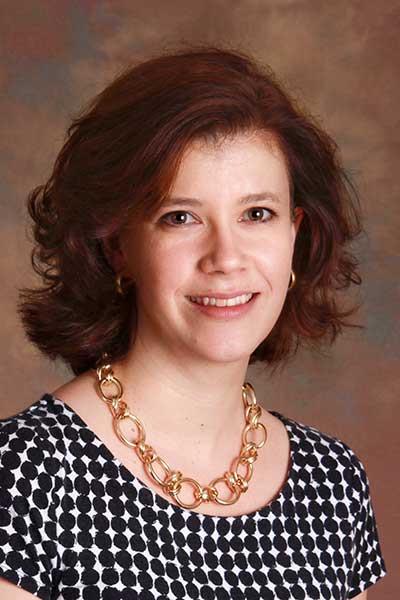
Sharon M. KarpADN, BSN, MSN, PNP, PhD, RN
- General Pediatrics,
- Medical Home Continuity of Care,
- Pediatric Gastroenterology,
- Primary Care Prevention,
- Well Child Care
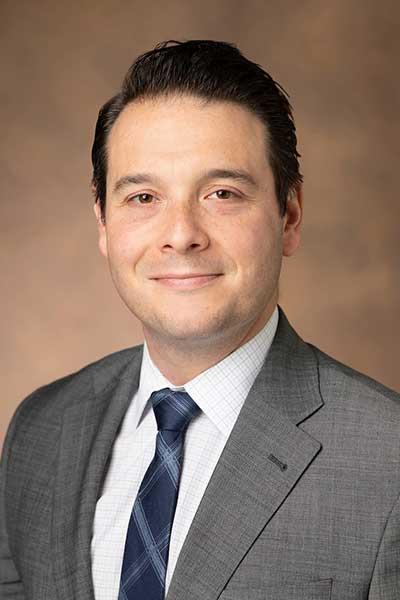
Matthew E. PontellMD
- Congenital Abnormalities Presenting in the Newborn Period,
- Craniofacial Surgery,
- Facial and Jaw Reconstruction,
- Neonatology,
- Oral and Maxillofacial Surgery,
- Otolaryngology,
- Pediatric Cleft Lip and Palate
Why Choose the Complex Obstructive Sleep Apnea Program at Monroe Carell
- Personalized treatment plans
After evaluation, your child will have a personalized treatment plan. Our team will give you options for further treatment. In many cases, we can treat OSA with medication or sleep devices. In certain cases, we may recommend surgical options or refer your child to other clinics, such as Sleep Medicine or Weight Management.
- Coordinated care
Several medical specialists will see your child on the day of the clinic visit. They will talk to you and your child about their sleep habits and examine your child. In many cases, they will schedule an overnight sleep study (polysomnogram) to learn more about breathing and other symptoms during sleep. The team may also recommend scope examinations or X-rays of your child’s upper airway.
- Latest technology
For some children who don't respond to or can't tolerate a CPAP device, we offer an FDA-approved hypoglossal nerve stimulation device, commonly known as the Inspire therapy. This device has three parts that are surgically implanted in the neck and chest to help keep the airway open during sleep using painless stimulation.
Tests, Treatments and Services
- Bilevel Positive Airway Pressure (BIPAP)
- Bimaxillary advancement
- Drug-induced sleep endoscopy
- Epiglottopexy
- Lateral expansion pharyngoplasty
Locations
Initial sleep evaluations may take place at the Vanderbilt Sleep Disorders Center.